Robben Island in Cape Town is more than a place to visit. It’s a living history lesson. Located in Table Bay, this small island is a treasure trove of courage and change. Once a prison, it’s now a UNESCO World Heritage Site, attracting visitors worldwide.
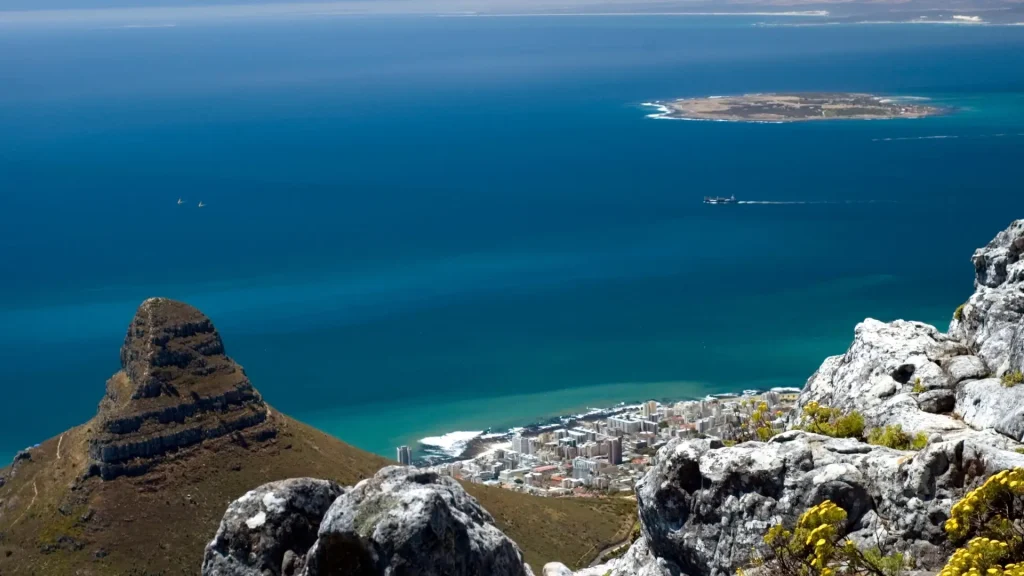
A breathtaking aerial view of Robben Island, the historic landmark off the coast of Cape Town, South Africa. The island’s iconic buildings and structures stand proudly against the backdrop of the sparkling turquoise waters of Table Bay. Dramatic shadows cast by the midday sun create a sense of depth and dimension, highlighting the island’s rugged terrain and windswept shores. In the foreground, a small ferry transports visitors to the island, while in the distance, the majestic silhouette of Table Mountain looms, providing a stunning natural backdrop to this scene of history and natural beauty.
For over five centuries, Robben Island has had many roles. It was a prison, a place for exiled leaders, and a symbol of resistance against apartheid. Nelson Mandela’s time there made it a global symbol of perseverance. Today, tours take visitors through the stark cell blocks and to the island’s windswept shores.
Visiting Robben Island in Cape Town is like stepping into a living history. The island’s journey from isolation to inspiration is unforgettable. Every stone and story here reminds us of freedom’s price and the power of hope.
The Historical Significance of Robben Island
Robben Island’s history goes back centuries. It started as a Dutch colony’s prison in the 1600s. Over time, it became a symbol of oppression during South Africa’s apartheid regime.
Political leaders and activists were isolated here. Their stories are etched into its stone walls.
During apartheid, robben island prison held over 5,000 prisoners. Some notable figures included:
- Walter Sisulu, mentor to Mandela, who endured solitary confinement.
- Ahmed Kathrada, jailed for 26 years for opposing apartheid laws.
- Robert Sobukwe, whose harsh treatment highlighted systemic injustice.
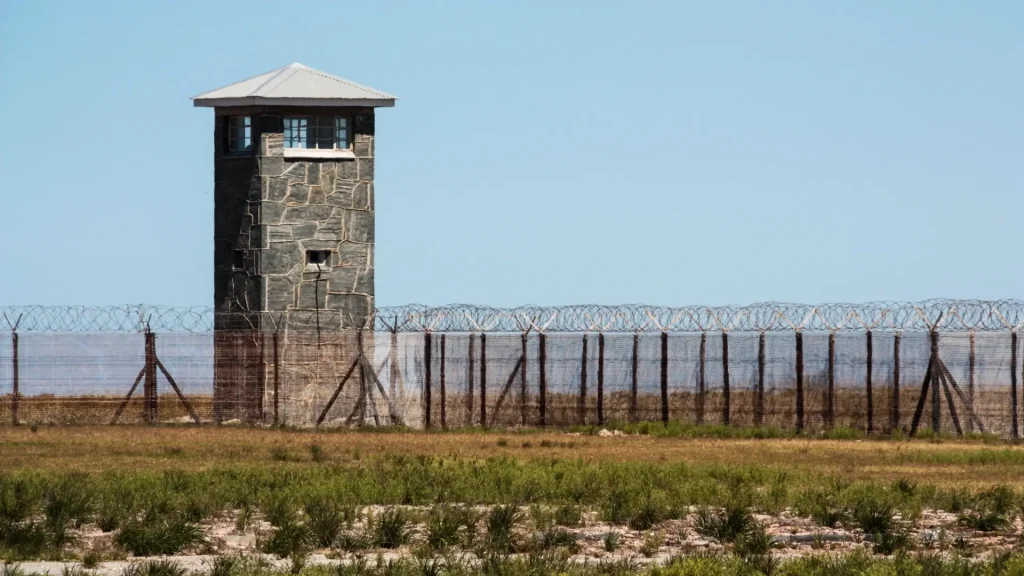
The prison closed in 1996, becoming a museum. Today, guided tours share stories of resistance and resilience. Artifacts like cell walls covered in inmate graffiti remind visitors of the fight for freedom.
The island’s legacy is not just about the past. It’s a lesson in how oppression can’t silence human courage.
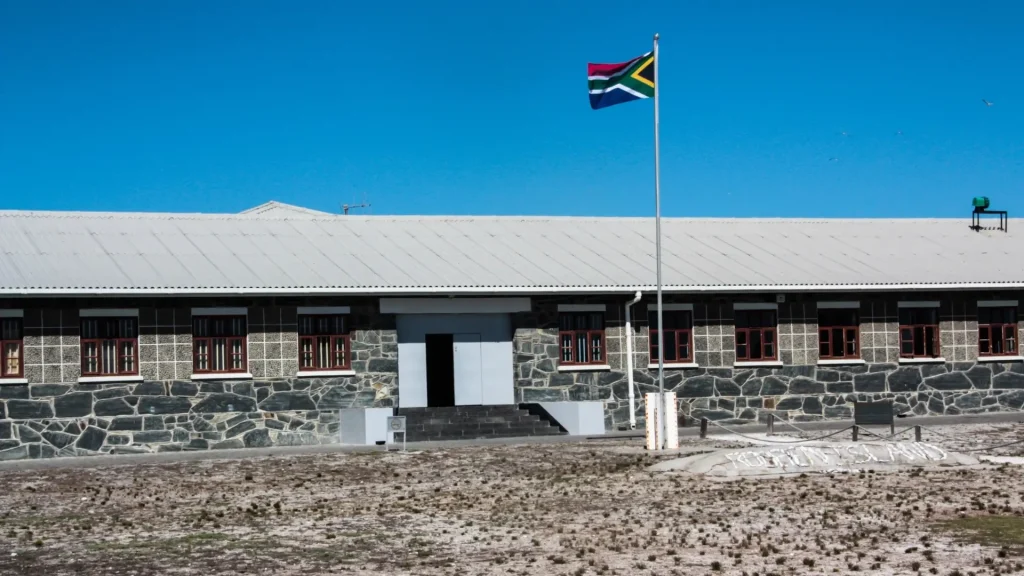
Getting to Robben Island: Ferry Information and Tips
Visiting Robben Island in Cape Town begins with the ferry. The only way to get there is by ferry from the Nelson Mandela Gateway at Cape Town’s V&A Waterfront. Departures are daily from 8 AM to 4 PM, with each trip taking 30–45 minutes.
Book your tickets online early, mainly during busy times, to get a spot. You can also buy tickets on-site, but they might sell out fast. Tickets usually include a guided tour, making it a good idea to book together.
- Arrive 30 minutes early to board smoothly.
- Bring seasickness medication if prone to motion sensitivity.
- Wear layers and waterproof gear for weather changes.
- Charge cameras to capture views of Table Mountain and Cape Town’s coastline.
The ferry ride offers stunning views of the Atlantic coastline and Table Mountain. Many take photos of the island’s cliffs as the boat gets closer. There’s comfortable seating and commentary on board.
Check the weather forecast before you go, as sea conditions can change. A covered deck offers protection from rain or wind.
Departures match tour times, so timing is important. You’ll get a boarding pass with your ticket. The trip is a great introduction to the island’s history, with guides sharing its role in South Africa’s past.
The Robben Island Museum Experience
Visiting the Robben Island Museum is a deep dive into South Africa’s history. Tours start with a ferry ride to the island. There, guides explain the island’s past as a prison.
The robben island tours last 3.5–4 hours. They mix a bus tour with a guided walk. Former political prisoners lead the prison part, sharing their stories of life under apartheid.
- Nelson Mandela’s cell: See the tiny cell where anti-apartheid leaders were confined.
- Limestone quarry: Learn how prisoners worked here in harsh conditions.
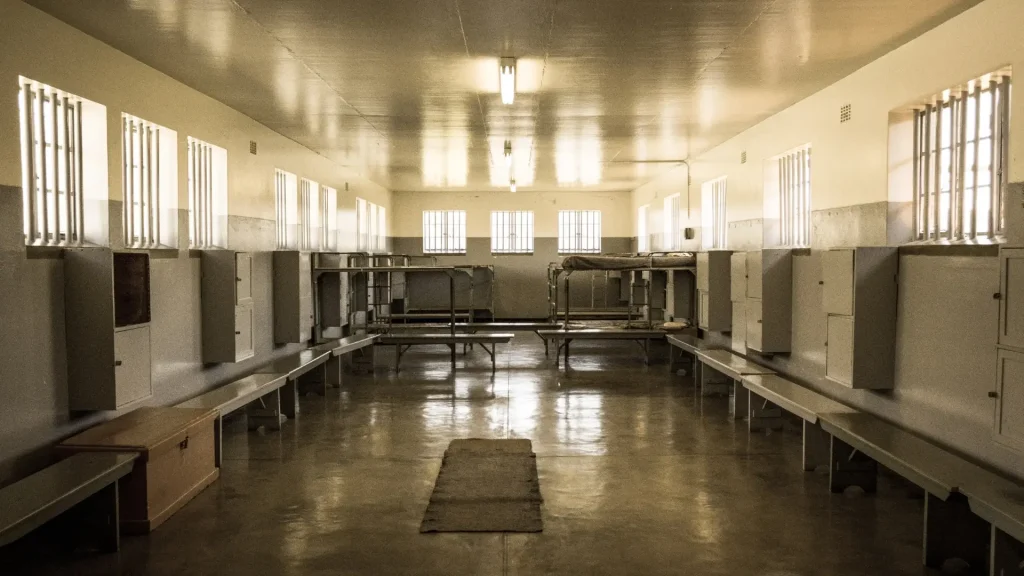
- Communal cells: Explore areas where prisoners gathered, now marked by historical plaques.
- Interactive exhibits: View photos, letters, and artifacts in the museum’s galleries.
Guides tell stories of resistance and resilience, making history come alive. Exhibits show personal items like diaries and handmade tools. This highlights the human side of the struggle.
The robben island museum offers both education and emotional depth. It leaves visitors with a deeper understanding of South Africa’s past. Every detail, from cell sizes to prisoner art, shows the island’s role in the nation’s freedom.
Nelson Mandela’s Life on Robben Island
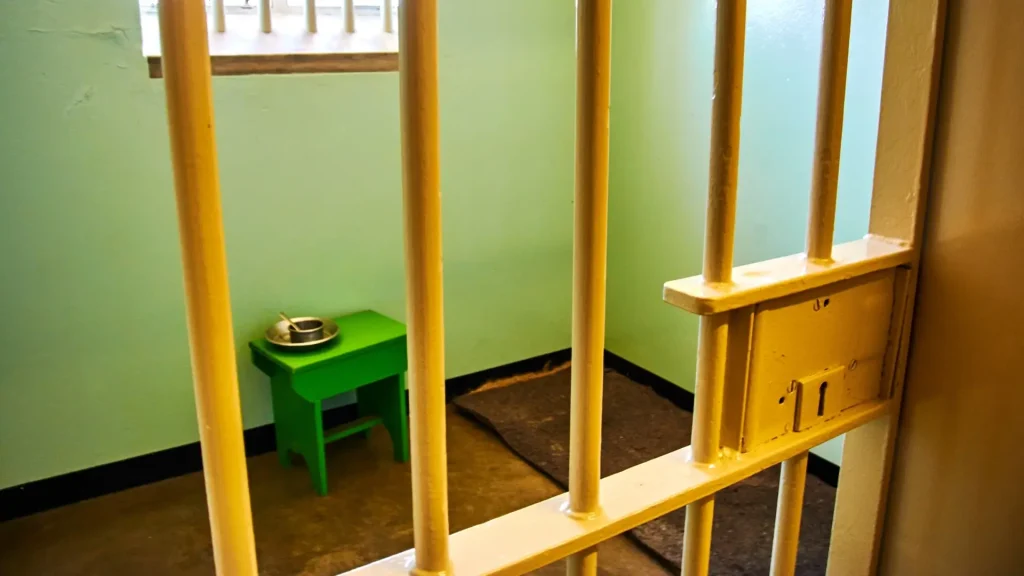
Nelson Mandela was imprisoned on Robben Island for 18 years, from 1964 to 1982. Visitors can see his cell, number 5 in B-Section. It shows the harsh conditions he faced in the robben island prison.
Mandela’s days were tough. He worked in a limestone quarry, which hurt his eyes. His meals were just cornmeal and soup, eaten in silence.
He could only write letters or see visitors rarely. The guards tried to break their spirits with strict rules and isolation.
But Mandela and others found a way to stay strong. They started a secret school, called the “Robben Island University.” They learned about:
- Political theory
- History
- Mathematics
Mandela studied law, and others taught philosophy. These talks kept their spirits high.
Mandela never let his time in robben island mandela’s prison break him. It taught him to endure. Today, his cell shows the power of human dignity. Visitors see the determination that led him to fight for democracy in South Africa.
Booking Robben Island Tours and Tickets
Getting tickets for Robben Island needs some planning. Robben Island tickets are in high demand, so book early. Check the official Robben Island Museum website for prices and availability. Adults pay about $50, with discounts for students and seniors. Kids under 18 usually get a lower price.
- Book 2-3 months in advance for peak times (December–February).
- Use authorized vendors like Cape Town Tourism for hassle-free robben island tours.
- Compare options: Package tours may include transport and meals, while self-guided bookings let you customize your day.
Same-day tickets are rare but possible at the V&A Waterfront’s Nelson Mandela Gateway. Always check the weather—ferries might cancel in bad weather. Cancellations are refundable up to 48 hours before. Groups of 10+ can get discounts. Morning ferries are good for exploring Cape Town in the afternoon.
Need help? Call the museum’s reservations line at +27 21 918-4000. Whether booking online or in person, make sure to plan ahead to avoid disappointment.
UNESCO World Heritage Status: Why Robben Island Matters
In 1999, Robben Island UNESCO recognized its global importance. This made it a symbol of human resilience. The Robben Island history spans centuries, from colonial-era prisons to its role in South Africa’s anti-apartheid movement.
- UNESCO criteria met: The island shows cultural traditions and human rights struggles. It aligns with global sites like Auschwitz and Hiroshima Peace Memorial.
- Conservation efforts: Ongoing work protects historic buildings and ecosystems. Despite challenges like saltwater corrosion and visitor impact.
- Global context: It’s part of a network of sites documenting oppression and reconciliation. It educates millions on justice and memory.
Its designation ensures Robben Island unesco values endure. It balances tourism with preservation. By preserving its prisons, wildlife habitats, and historical narratives, it remains a living lesson for future generations.
Visitors learn how its story intertwines with global human rights milestones. This makes it a cornerstone of UNESCO’s mission to safeguard shared heritage.
Every year, the island’s conservation programs address threats like coastal erosion and structural decay. They are funded partly by visitor fees. Educational programs highlight its role in South Africa’s journey from apartheid to democracy. This reflects UNESCO’s aim to preserve cultural and natural heritage worldwide.
Wildlife and Natural Features of Robben Island
Robben Island in Cape Town is more than just history. It’s home to a thriving African penguin colony. These birds, known for their unique calls, nest in rocky spots. Thanks to conservation, visitors can see them up close.
A rugged, windswept coastline of Robben Island, with a colony of African penguins huddled on the rocky shore. In the foreground, the birds stand alert, their distinctive black-and-white plumage contrasting against the gray boulders. In the middle ground, a panoramic view of the island’s natural landscape unfolds, with rolling hills and jagged cliffs in the distance. The scene is bathed in warm, golden light, creating a sense of tranquility and timelessness. The camera angle is slightly elevated, giving the viewer a bird’s-eye perspective of this unique wildlife habitat. Subtle fog or mist adds depth and atmosphere to the scene, evoking the island’s remote and weathered character.
- Over 2000 penguins live on the island, a big comeback from near-extinction.
- Seabirds like cormorants, kelp gulls, and terns nest on cliffs. Cape fur seals also call the rocky shores home.
- Whales pass by robben island from June to November. Dolphins and Bryde’s whales can be seen offshore too.
The island’s flat terrain shows layers of history. Prisoners once quarried the rocks, leaving marks on the landscape. Today, the landscape contrasts with the vibrant birdlife, telling a story of its own.
Visitors see both nature and history here. The open grasslands and rocky outcrops offer views of Cape Town’s coast. Binoculars are a must for spotting wildlife, making robben island in cape town a special place.
Best Time to Visit Robben Island in Cape Town
Planning a trip to Robben Island in Cape Town? Timing your visit right ensures a smooth and enjoyable experience. Let’s break down the ideal seasons and daily schedules for your robben island tours.
Cape Town’s climate is important. Summer (November–February) is warm but busy. Book robben island tours early in these months to get a spot.
Winter (June–August) is cooler and less crowded. But, rough seas might change ferry times. Spring (September–October) and fall (March–April) have mild weather and fewer people. They’re great for exploring without the summer rush.
Weekday tours have fewer locals, but might have more international groups. Weekends are busier but have more ferry times. Morning tours (8:30 AM) are good for photos, with softer light. Afternoon trips offer beautiful sunset views of Cape Town and Table Mountain.
Check the weather forecast and book ahead. Whether you like sunny days or quieter times, planning your visit to robben island in cape town well makes your trip better.
Photography Tips and Memorable Spots on Robben Island
Robben Island is a treasure trove of history and nature, ideal for taking memorable photos. Begin with the Robben Island Museum’s prison cells. Here, the dim light means you’ll need to tweak your camera settings. Try a wide aperture like f/2.8 and ISO 400-800. Steer clear of flash to keep the mood somber.
A dramatic aerial view of Robben Island, the historic South African landmark, captured through the lens of a professional photographer. In the foreground, the island’s iconic prison buildings stand in stark contrast against the turquoise waters of Table Bay, their weathered walls and barred windows evoking the island’s complex history. The mid-ground showcases the island’s diverse landscapes, from the rugged coastline to the lush green hills, each offering unique photographic opportunities. In the background, the majestic silhouette of Table Mountain looms, its iconic shape providing a breathtaking backdrop. The lighting is crisp and golden, casting long shadows and highlighting the island’s textural details, creating a captivating and moody atmosphere for this historic location.
- Prison cells: Zoom in on the textures of the walls and the bars. Mandela’s cell, marked with a plaque, is a must-capture.
- Limestone quarry: Use a wide-angle lens to show off the quarry’s rugged walls. Stand at the edge for a stunning view.
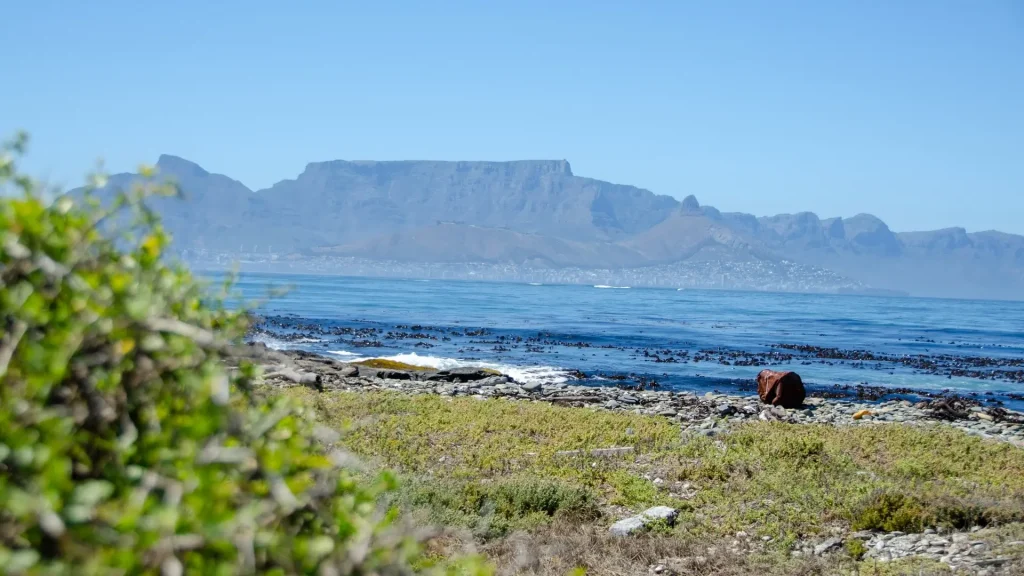
- Island views: Place Table Mountain in the background with the museum or harbor in the foreground. Light from sunrise or sunset adds a warm glow.
For outdoor shots, a tripod is your best friend for steady photos. Always ask permission before snapping photos of former prisoners sharing their stories. Be mindful of your shots during group tours to avoid disrupting the experience.
Remember, your photos should tell a story. Show the stark contrast between the prison’s harsh walls and the island’s natural beauty. These images pay tribute to the site’s history while showing respect.
Combining Robben Island with Other Cape Town Attractions
Plan a full day in Cape Town by pairing your visit to Robben Island with nearby highlights. Start with a morning ferry tour. Then, explore the V&A Waterfront, where the departure point is located.
- Morning Tour Itinerary: After the 3.5-hour island experience, head to the District Six Museum. Learn about urban renewal impacts. Lunch at the Waterfront, then take a MyCiTi bus to the Castle of Good Hope for a 45-minute guided walk.
- Afternoon Tour Plan: Visit Bo-Kaap’s colorful houses in the morning. Then book an afternoon Robben Island ferry. Return to Cape Town for sunset views at Green Point Urban Park or dinner at Biscuit Mill.
Combine history with nature by pairing island tickets with a Table Mountain cableway ride. Purchase combo tickets online to save time—Robben Island tickets often include ferry access and guided tours.
History buffs can link the island’s story to the Iziko Slave Lodge or Lwandle Museum. Use Uber for quick transfers between sites, or join a hop-on-hop-off bus that stops near ferry terminals.
Pair your visit with a 90-minute Bo-Kaap walking tour, then spend the afternoon reflecting at the island. For families, balance the island’s solemn history with a visit to the Two Oceans Aquarium near the Waterfront.
Pro tip: Book Robben Island tickets weeks ahead, specially during peak US school holidays (December–January). Combine historical sites to deepen your understanding of South Africa’s journey.
Conclusion: The Enduring Legacy of Robben Island
Robben Island is a powerful symbol of South Africa’s complex history. The prison, once a symbol of segregation, now teaches visitors about the island’s history of struggle and victory. Its story reminds us that justice and freedom need constant effort.
Nelson Mandela’s strength during his time on the island is a key part of its story. It shows how one person can inspire change even under oppression.
Today, the island is a living museum. It teaches lessons about perseverance and reconciliation through its former cells and harsh conditions. Efforts to preserve its history, like digital archives and oral histories, make sure these stories live on. Visitors learn how societies can heal from deep injustices.
Robben Island’s message goes beyond South Africa’s shores. It encourages reflection on global fights for equality. It urges visitors to use its lessons in their own communities. Whether at the museum or listening to guides, the island’s history calls for action. It honors the past and inspires a fairer future.